Condo, Townhome, or House in San Jose: How to Decide
June 11, 2026
June 11, 2026
Choosing between a condo, townhome, or house in San Jose can feel surprisingly hard. At first glance, it seems like a simple question about size or price, but your day-to-day lifestyle, monthly costs, maintenance responsibilities, and long-term flexibility can look very different depending on the property type. If you want to make a smart move in Silicon Valley, it helps to understand what you are really buying before you fall in love with a listing. Let’s dive in.
In San Jose, price gaps between property types are large enough to shape your whole home search. Current market data shows a March 2026 median sale price of $1.489 million across all home types in San Jose, while median listing prices are about $675,000 for condos and about $975,000 for townhomes.
That spread is one reason condos and townhomes often serve as the entry point for buyers who want to stay in the city. If you are balancing budget, commute, and space, the right fit often comes down to what tradeoffs you are willing to make.
In California, the label on the listing does not always tell the full story. A condominium is a unit plus an undivided interest in common property, while a planned development is a different type of common-interest development with its own ownership and maintenance structure.
That means two homes that look similar from the outside can come with very different rules about who maintains the roof, windows, patio, or exterior walls. In many cases, the recorded declaration and CC&Rs matter more than the architectural style when you are deciding between a condo, townhome, or house.
Homeowners associations are common in both condominium and planned-development communities in California. If you buy in one of these communities, you usually become a member automatically and pay dues and assessments that fund operations and maintenance.
HOAs also make and enforce rules. That is why your monthly payment is only part of the picture. You also need to understand what the HOA covers, what it does not cover, and how much control you are comfortable giving up.
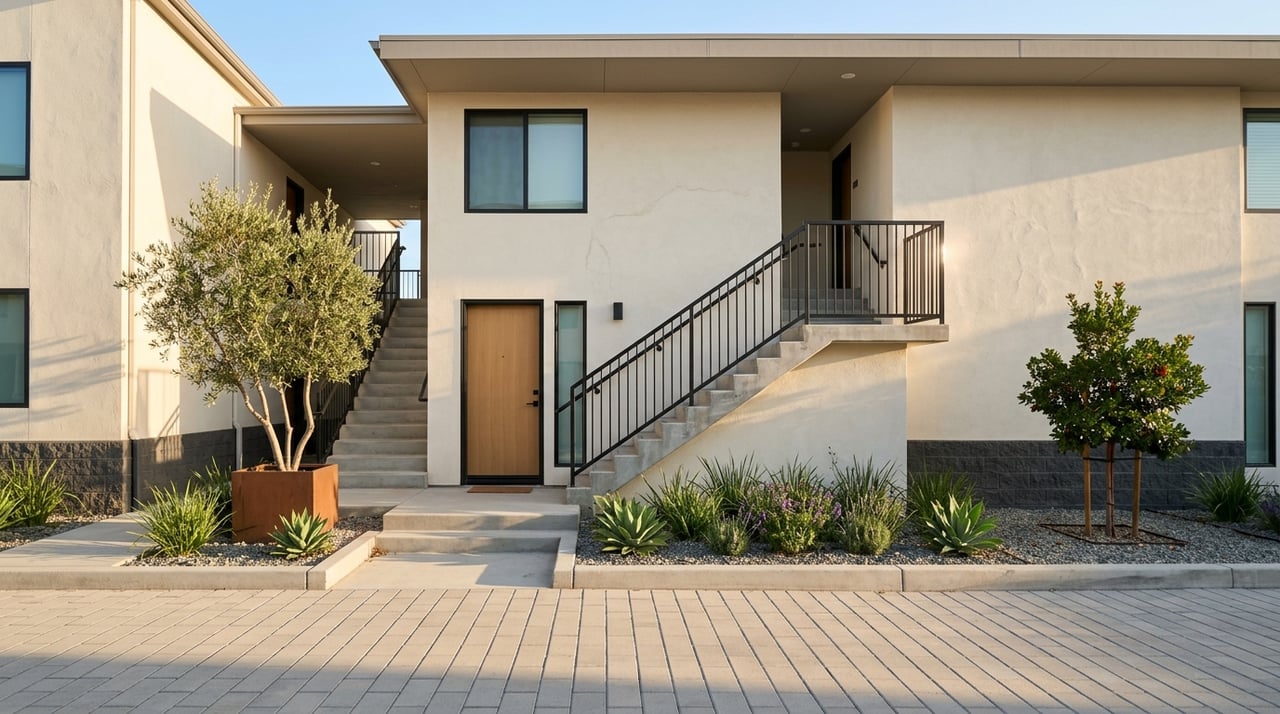
A condo often appeals to buyers who want the lowest purchase price of the three options and less exterior upkeep. In San Jose, current listings show condos ranging from smaller one-bedroom homes around 648 to 841 square feet to larger three-bedroom homes around 1,500 square feet.
Many condo communities also offer shared amenities like pools, clubhouses, or secure parking. If convenience and lower maintenance are high on your list, that can be a meaningful advantage.
A condo may make sense if you want to stay in San Jose while keeping your purchase price lower than a detached home. It can also work well if you prefer a more hands-off lifestyle and are comfortable with shared walls, HOA rules, and less privacy.
For some buyers, location is part of the appeal. San Jose is considered moderately walkable, with a Walk Score of 51, so condos and downtown-adjacent homes may be attractive if you want easier access to daily errands or employment centers.
The biggest tradeoff with a condo is that you are more dependent on the HOA. Monthly dues may help cover common-area maintenance and amenities, but they do not remove all ownership costs.
Some current San Jose condo listings show HOA dues such as $377 or $590 per month. You also still need to think about your own insurance coverage. In California, an HOA may insure common areas and the exterior structure, but that does not necessarily include your unit interior or personal property.
A townhome usually sits between a condo and a detached house. It often gives you a more house-like layout, more interior space, and features like a private patio or attached garage, while still offering a lower-maintenance setup than a standalone home.
In current San Jose inventory, many townhomes fall in the range of about 1,100 to 1,800 square feet with 2 to 4 bedrooms. That extra room can matter if you need flexible space for work, guests, or everyday living.
If you want more privacy and space than a condo but are not ready for the full maintenance load of a detached house, a townhome can be a strong middle-ground option. It often fits buyers who want a practical balance between price, space, and upkeep.
This can be especially appealing in San Jose, where detached houses often come at a much higher price point. A townhome may let you stay in a preferred area while getting a more comfortable layout.
A townhome may look and feel like a small house, but that does not mean you are fully responsible for everything outside your walls. If the property is part of a planned development, the HOA may still handle landscaping, shared drives, roofs, or other common elements depending on the governing documents.
That is why it is important to verify exactly what the HOA maintains. Some San Jose townhome listings advertise low HOA fees that include items like trash removal and common-area maintenance, but the details can vary from one community to the next.
A detached house usually offers the most privacy, the most control, and the fewest shared rules. If you value yard space, more separation from neighbors, and greater freedom to remodel or update, a house may be the best fit for your goals.
Detached homes in San Jose are also typically the largest option. Current listings commonly show homes in the range of about 1,700 to 3,200 square feet, which reinforces their appeal for buyers who want more room and fewer shared spaces.
For many people, a detached home offers the clearest sense of ownership and independence. You are generally not sharing walls, and you have more direct control over your property decisions.
That freedom can be worth a lot, especially if you plan to stay for years. If privacy and flexibility matter most to you, a house may feel like the most natural fit.
In San Jose, that added privacy and space usually comes with a much higher price tag. Detached homes are generally listed well above condo and townhome price bands, which can mean a larger down payment, higher monthly costs, and more cash set aside for future repairs.
You are also taking on more direct maintenance responsibility. Roof work, exterior repairs, landscaping, and other major items are typically yours to manage and budget for.
When buyers compare these three property types, the biggest difference is not always square footage. Often, it is maintenance responsibility and how those costs show up over time.
California Civil Code generally makes the association responsible for repairing, replacing, and maintaining common area, while the owner is responsible for the separate interest, unless the declaration says otherwise. That is why reading the project documents matters so much.
One of the most important things to review in a condo or townhome community is reserve funding. Reserve money is what an HOA sets aside for major future repairs like roofs, pavement, and other large components.
If reserve funding is weak, the risk of deferred maintenance or future special assessments can increase. A property with low dues may sound appealing at first, but it is smart to look beyond the monthly number and ask whether the community is saving enough for the future.
If you are overwhelmed, start by ranking your priorities. For most buyers, the choice becomes much clearer once you decide what matters most: price, space, privacy, or low maintenance.
Here is a simple way to think about it:
Before you move forward on any condo or townhome, review the governing documents carefully. California requires sellers to provide documents such as the CC&Rs, bylaws, rules, budget, reserve information, insurance summary, and notices about assessments or litigation before transfer.
These documents can tell you far more than the listing description. They help you understand whether the home truly fits your budget, lifestyle, and risk tolerance.
Use these questions to compare communities and avoid surprises:
California law limits many HOA rental restrictions, but project-specific rules and older restrictions can still matter. That is another reason to read the documents closely instead of relying on assumptions.
In San Jose, the right choice is usually less about the word on the listing and more about the full cost and ownership structure behind it. A condo may help you get into the market with less upkeep. A townhome may give you the best balance of price, space, and maintenance. A detached house may offer the privacy and control you want, but at a much higher cost.
If you want help comparing options in San Jose and understanding how a specific property fits your goals, Jen Marley can help you look past the listing photos and focus on what really matters.
Stay up to date on the latest real estate trends.
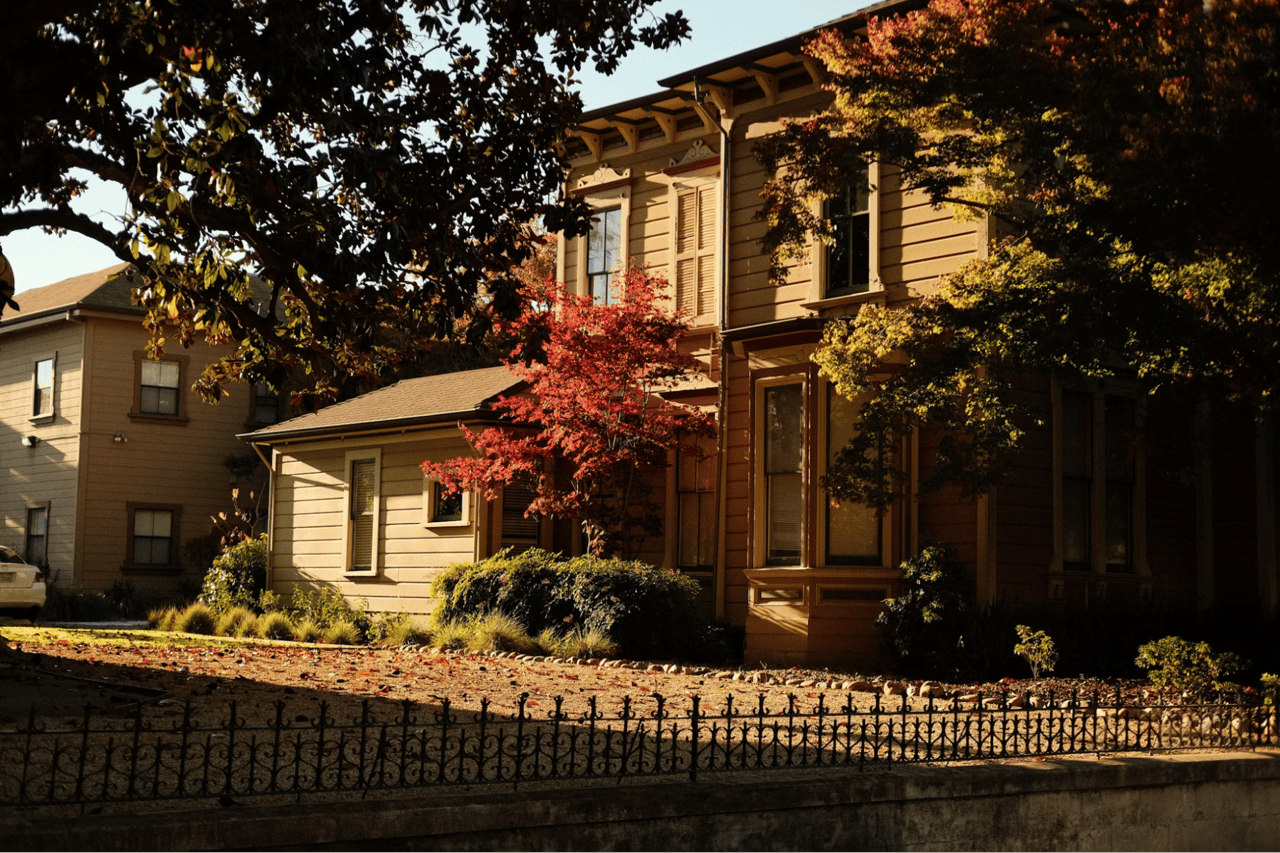
Separating the House That Feels Right From the One That Actually Is.
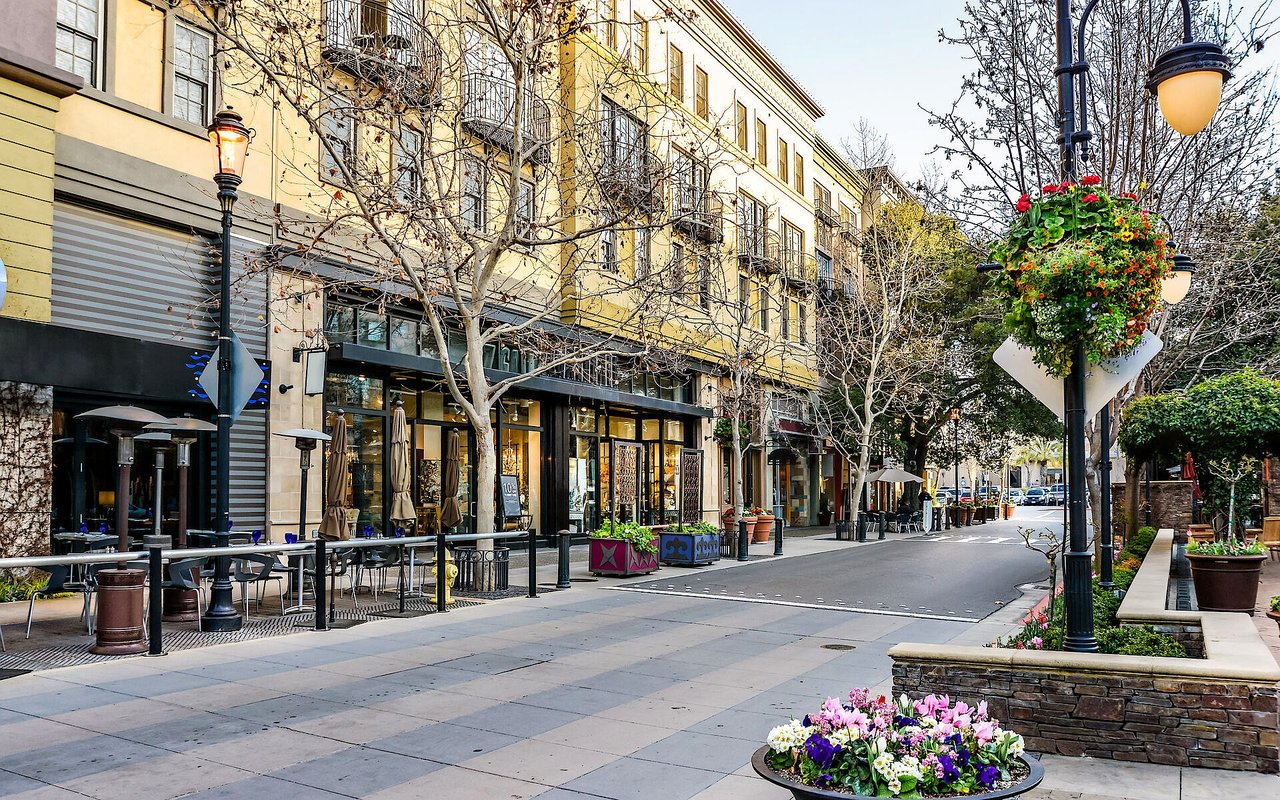
From a Century-Old Mystery House to Miles of Trails.
If you are a buyer or seller who lives in Santa Clara, San Mateo, Santa Cruz, Sacramento or Placer County or if you are looking to relocate, Jen would be honored to assist you. Jen has a global referral network through Coldwell Banker Realty and she can connect you with the best local agent anywhere nationwide.
Jen Marley Bright | CA DRE# 01417183
(408) 605-9960
[email protected]
Address
410 N Santa Cruz Avenue
Los Gatos, CA 95030
&