Understanding Sunnyvale Home Styles and Layouts Before You Buy
July 2, 2026
July 2, 2026
Buying in Sunnyvale can feel simple at first glance, then surprisingly nuanced once you start touring homes. You may walk through one property with clean mid-century lines and walls of glass, then see a remodeled ranch, a three-story townhome, and a condo with shared amenities all in the same search. If you understand how Sunnyvale home styles and layouts differ before you buy, you can compare homes with more confidence and avoid costly surprises. Let’s dive in.
Sunnyvale’s housing mix reflects decades of change from an earlier agricultural landscape to a city with a broad range of residential development. City data show that 36% of housing units are 1-unit detached homes, 10% are 1-unit attached, 10% are in 2 to 4 unit properties, 15% are in 5 to 19 unit buildings, 23% are in 20+ unit buildings, and 6% fall into mobile home, boat, RV, or other categories.
That mix helps explain why your home search may include very different floor plans. The City’s Housing Element says the largest share of Sunnyvale housing was built between 1960 and 1979, and many of those homes have since been remodeled, expanded, rebuilt, or renovated. In practical terms, that means square footage alone rarely tells the full story.
Sunnyvale’s mild, sunny climate also makes layout choices more important. Window placement, shade, and access to outdoor space can have a real impact on how a home feels day to day. A bright floor plan with good indoor-outdoor flow may live very differently from a larger home with darker interior spaces.
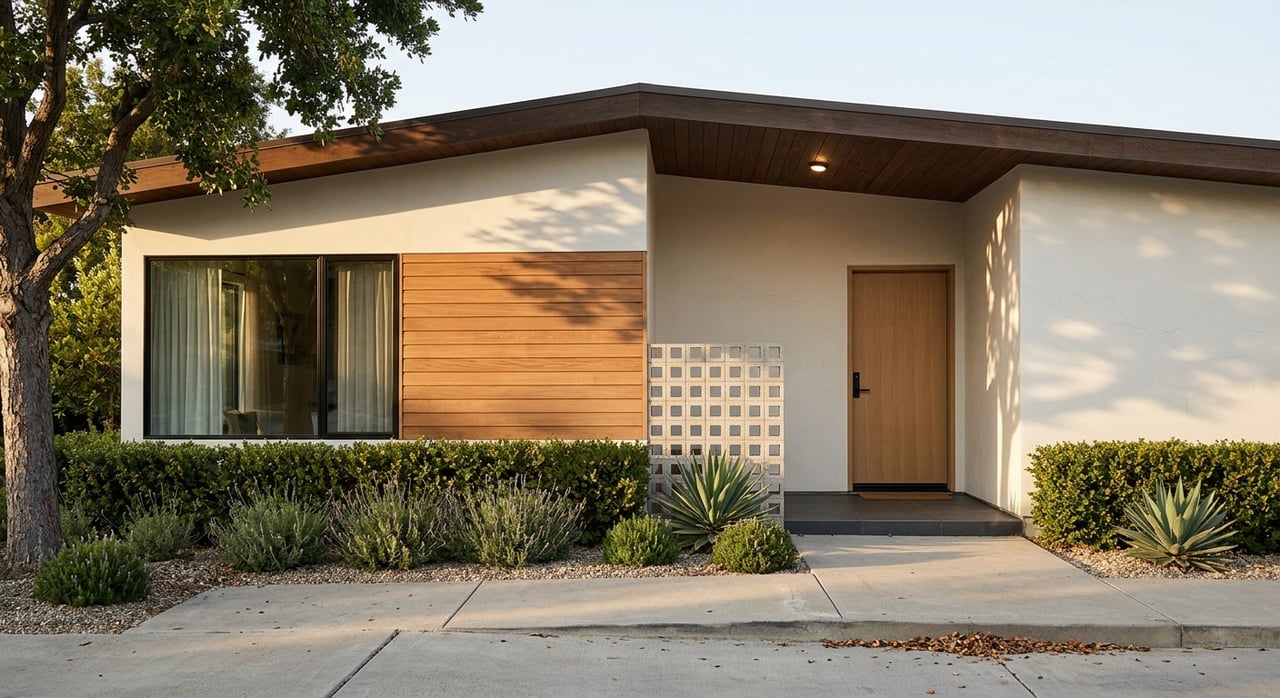
Sunnyvale holds an important place in the history of Eichler homes. According to the City’s Eichler Design Guidelines, Eichler built more than 1,000 homes in Sunnyvale between 1949 and 1972, and early tracts included both modern flat-roofed homes and ranch-style homes.
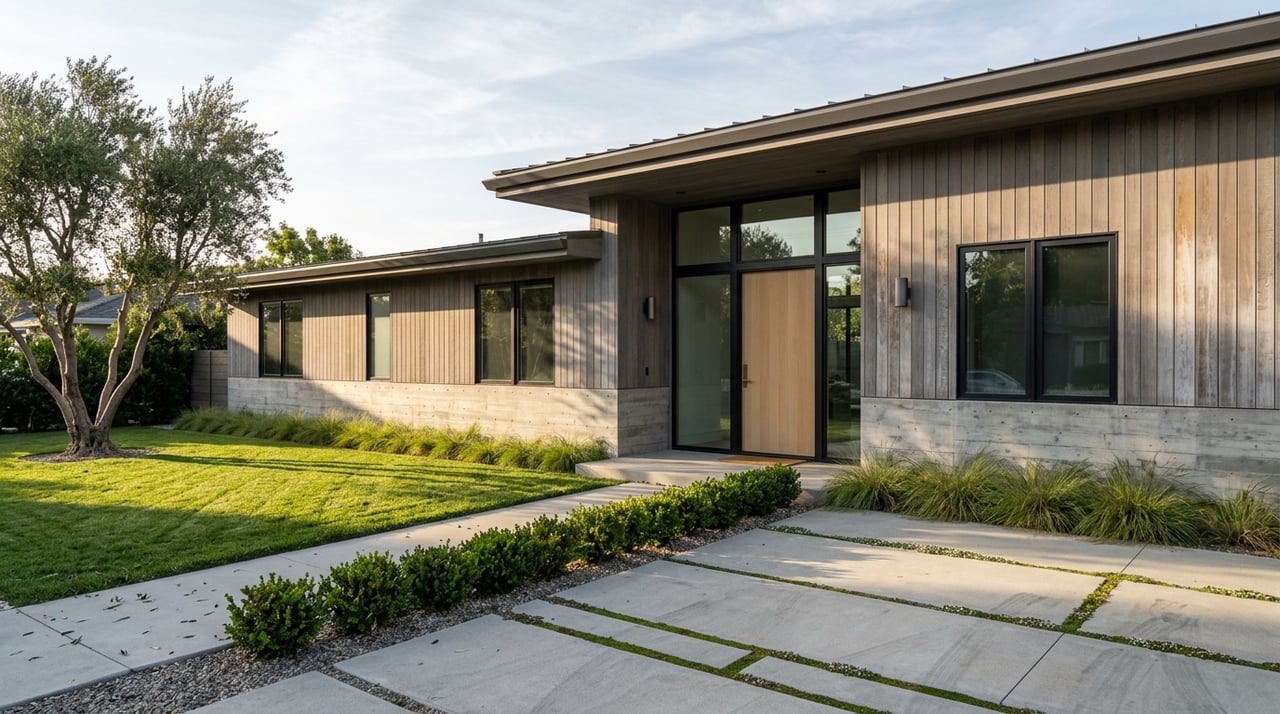
These homes are often appealing because of their strong connection to the outdoors and easy one-level living. The City describes Eichler homes as emphasizing integration with the surrounding landscape, with open floor plans, broad overhangs, large windows, and street-facing expanses of glass. If you love natural light and visually connected living spaces, this style can feel special the moment you walk in.
That same openness can come with tradeoffs. Open-plan living usually means less built-in separation between gathering spaces and quieter private areas. If you work from home or want a separate den, guest room, or study space, pay close attention to whether the layout gives you a room that can truly be closed off.
Privacy is another major consideration. The City notes that Eichler homes are especially vulnerable to privacy intrusion from taller neighboring structures because of their open floor plans and large glass areas. When you tour, do not just look at the home itself. Look at sightlines from the street and from nearby second-story windows.
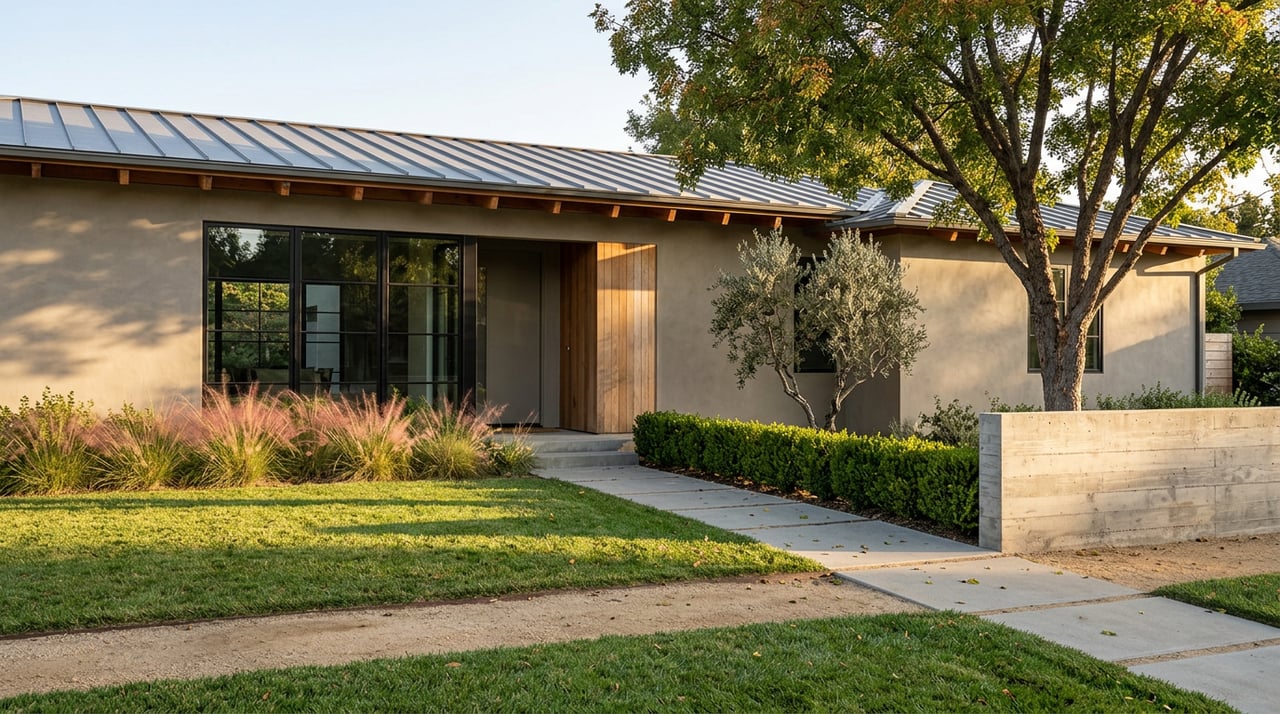
Many Sunnyvale buyers are drawn to expanded single-story homes because they offer an in-between option. You may get more living space than a classic ranch without taking on the daily stair use common in a townhome or two-story house.
The City’s Housing Element notes that many Sunnyvale homes have been expanded, rebuilt, or renovated, and that permits for these types of projects are common. As a result, you will likely see homes where kitchens have been opened up, family rooms added toward the backyard, or primary suites enlarged over time.
These homes can work very well, but the layout deserves a closer look. Additions can change how light moves through the home, especially if square footage was added in the middle or rear. A bigger house is not always a better-living house if the result is a long hallway, dim interior rooms, or less usable yard space.
Attached housing is a meaningful part of Sunnyvale’s market. The City’s Consolidated Plan shows that 10% of units are 1-unit attached, while another 38% are in buildings with two or more units or larger multifamily structures.
For many buyers, townhomes and condos offer a practical path into Sunnyvale homeownership. They can also offer newer construction patterns, more compact footprints, and lower exterior maintenance responsibilities than a detached house.
Townhomes are typically attached units with private entrances and often multiple floors. That usually means your daily routine includes interior stairs, and your living areas and bedrooms may be stacked rather than spread across one level.
Condos differ because ownership and maintenance are shared across the larger building or community. In many condo communities, owners jointly own common areas and exterior elements and typically pay monthly condo fees. Layouts can vary widely, from garden-style units with outside entrances to larger buildings with interior hallways.
When you compare a detached house with a townhome or condo, one of the biggest differences is how you move through the space. A single-story home often offers simpler circulation, while a multilevel townhome may spread the same square footage over two or three floors.
That is not automatically good or bad. Some buyers like the separation that comes with bedrooms upstairs and living spaces below. Others find stairs inconvenient for guests, storage, laundry, or long-term flexibility.
Shared walls also matter. In attached homes, sound transfer, guest parking, storage, and HOA rules can affect your day-to-day comfort as much as finishes or square footage. That is why the best comparison is not just price per square foot. It is how the home supports your actual routine.
A townhome or condo may fit well if you want:
Before you buy for future potential, make sure you understand what changes may be allowed. The City says Sunnyvale has about 50 individual Heritage Resources, nine individually designated local landmarks, and two districts, including the Taaffe-Frances Heritage Neighborhood and the Murphy Station Heritage Landmark District.
That matters because exterior changes to local landmarks require Heritage Commission review and approval. Heritage Resources have a lower level of protection, but they still deserve attention during your due diligence. If you are counting on adding square footage, changing the façade, or making a major exterior update, verify the property’s status early.
This is especially important in older neighborhoods and for buyers who see a home as both a place to live and a future project. The right house for you is not just about what it is today. It is also about what it can realistically become.
When you tour homes in Sunnyvale, focus on the floor plan as much as finishes. Paint colors and staging can change. Core layout strengths and constraints are harder and more expensive to fix.
Use this checklist to stay grounded as you compare options:
The best Sunnyvale home style is the one that fits how you actually live. If you want bright, architectural character and indoor-outdoor flow, a mid-century or Eichler-influenced home may stand out. If you want one-level ease with more square footage, an expanded ranch may be worth a closer look.
If you prefer newer attached living, a townhome or condo may offer the right balance of location, space, and maintenance. The key is to look beyond labels and ask better questions about privacy, circulation, light, storage, and future flexibility.
When you buy with a clear understanding of layout, you make a stronger decision from the start. If you want help comparing Sunnyvale homes and identifying which style best fits your goals, Jen Marley can guide you through the details with clear, local insight.
Stay up to date on the latest real estate trends.
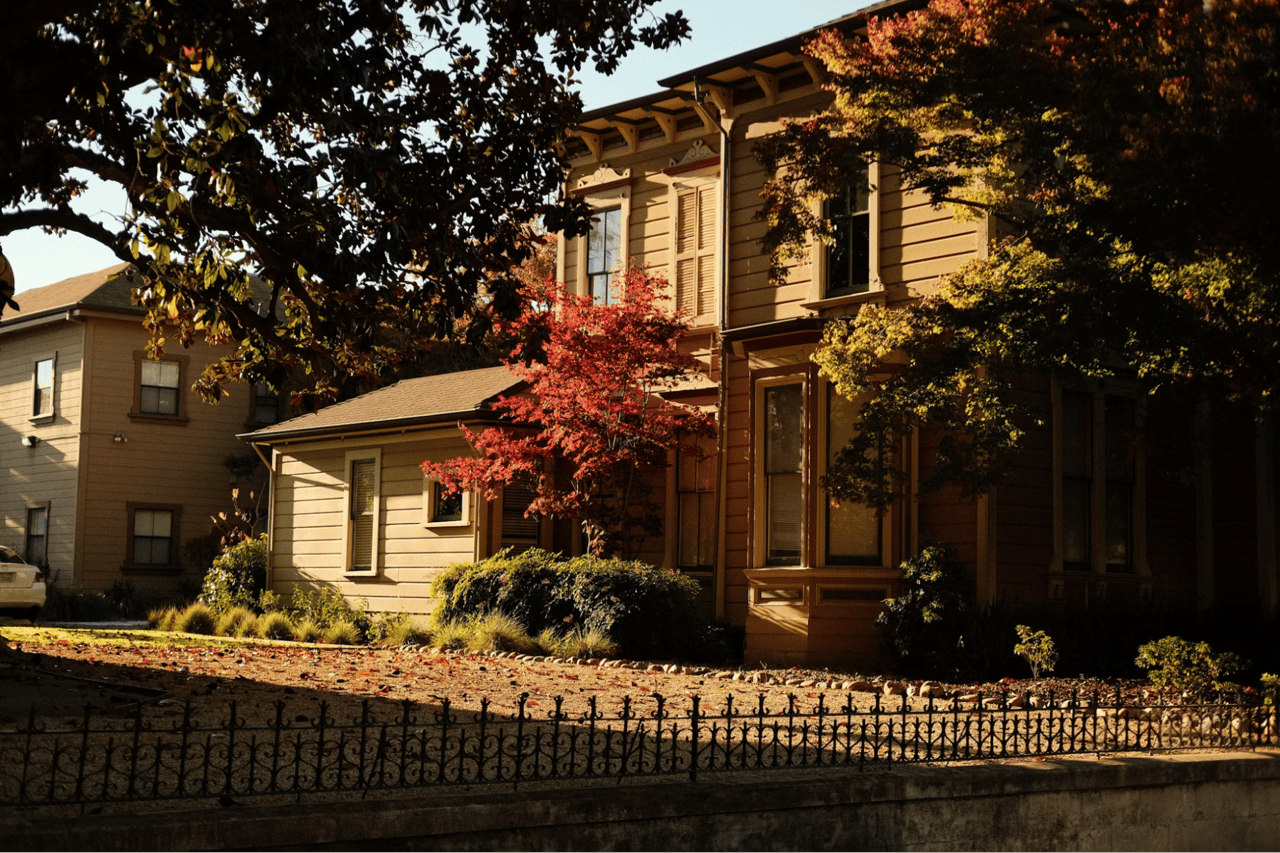
Separating the House That Feels Right From the One That Actually Is.
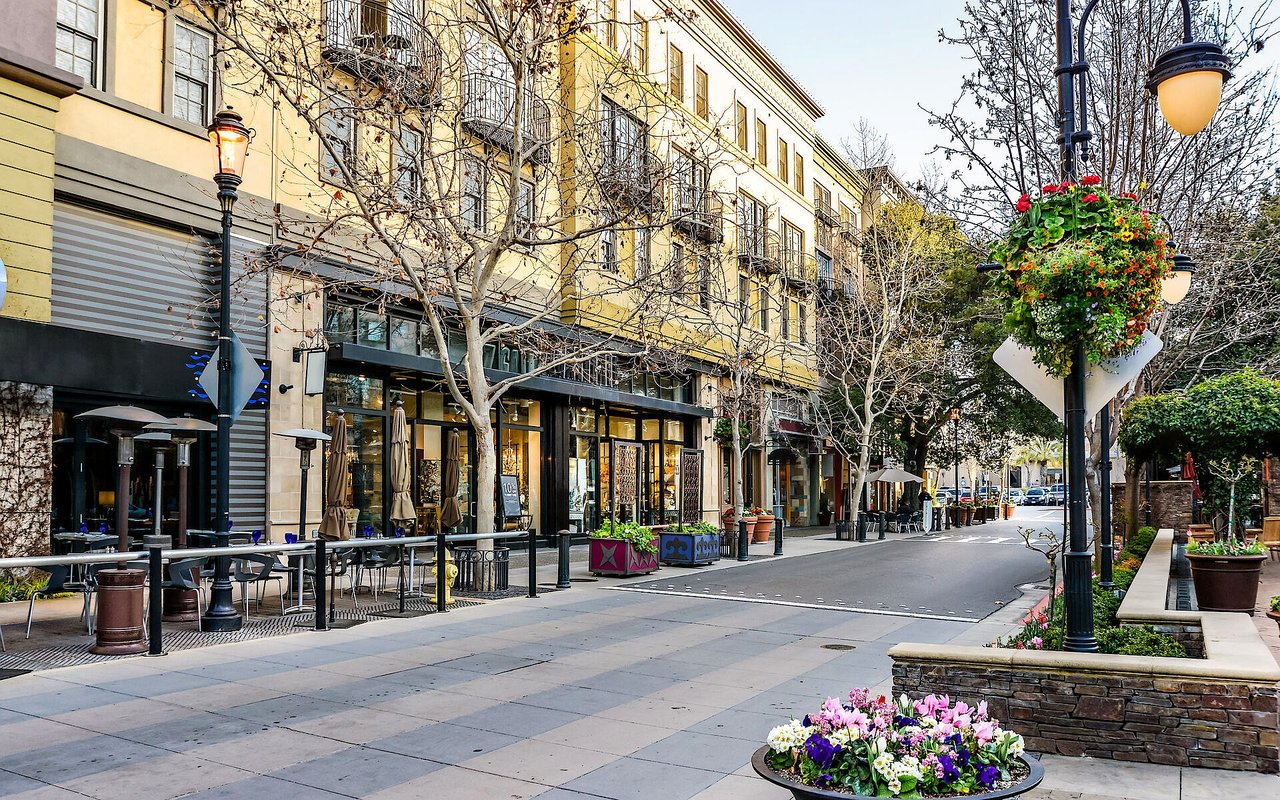
From a Century-Old Mystery House to Miles of Trails.
If you are a buyer or seller who lives in Santa Clara, San Mateo, Santa Cruz, Sacramento or Placer County or if you are looking to relocate, Jen would be honored to assist you. Jen has a global referral network through Coldwell Banker Realty and she can connect you with the best local agent anywhere nationwide.
Jen Marley Bright | CA DRE# 01417183
(408) 605-9960
[email protected]
Address
410 N Santa Cruz Avenue
Los Gatos, CA 95030
&